
Beyond the Surface: What Actually Matters When Buying a High-End Replica
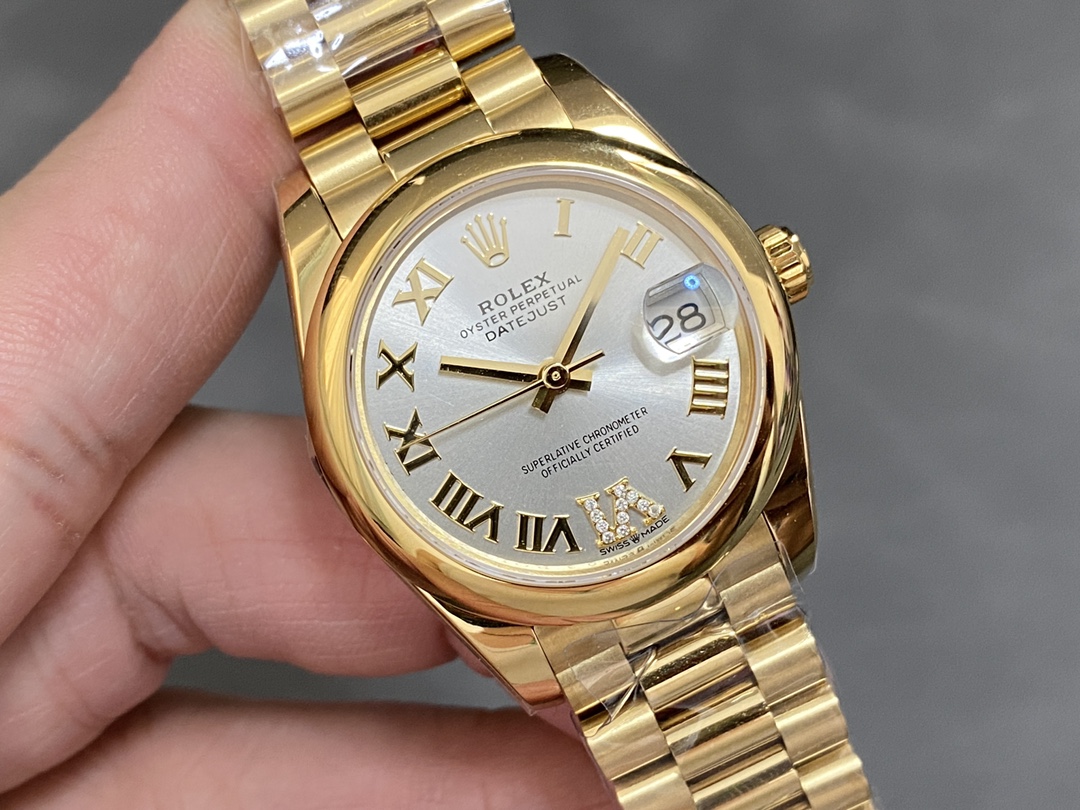
I have been in the replica watch game for over a decade, not as a dealer, not as a reviewer who gets free samples, but as a buyer. I have spent real money on more pieces than I care to admit, and I have handled pieces from every major factory that has come and gone in this industry. What I have learned is that the vast majority of buyers focus on the wrong things. They obsess over the look of the dial under a macro lens but ignore the heart of the watch. They compare the bezel action and the bracelet feel, yet they never ask the only question that actually matters after the first month of ownership: will this thing keep running?
This is not a buyer’s guide for someone looking for a 50-dollar street deal. This is for the buyer who is willing to spend legitimate money on a high-end replica, who expects to wear the watch regularly, and who wants to know, before they click the checkout button, whether the watch will serve them or disappoint them. In this article, I am going to cut through the marketing noise and look specifically at the movement, because that is where the real divide between good and bad happens. From what I have seen across dozens of pieces, the movement is the single biggest determining factor in whether a replica becomes a daily companion or a paperweight.
The Movement Is the Watch: Why 2236 Changes the Equation
What the 2236 Actually Is
Let us start with the specifics. The 2236 is a clone of the Rolex caliber 2236, which is the movement found in the 36mm Datejust models, specifically those with the smooth bezel and the Jubilee bracelet. It is a self-winding mechanical movement with a date complication, and in the genuine Rolex world, it is a step up from the older 3135 in terms of power reserve and shock resistance. In the replica world, the 2236 has gained a reputation as one of the most reliable clones available. But here is the critical part: it is not just a generic movement with a rotor that looks like a Rolex rotor. The 2236 is a 1:1 clone in structure, meaning the gear train layout, the bridge design, the balance wheel placement, and even the date change mechanism are identical to the genuine caliber.
Why the Clone Structure Matters
The reason this matters is not aesthetic. It is functional. When a movement is a true 1:1 clone, it means that the parts are interchangeable with genuine parts in many cases, and more importantly, it means that the serviceability follows the same logic. A competent watchmaker who knows the genuine 2236 can work on the replica 2236 without guessing. The shock absorption system, the reversing wheels, and the winding mechanism are all positioned exactly as they are in the genuine movement. This is not the case with the older clone movements like the 2824-based modifications, where the rotor is merely a decorative weight attached to a generic Swiss movement. In those watches, the winding efficiency is often poor because the weight is not properly balanced for the automatic system. With the 2236, the architecture is designed from the ground up to mimic the genuine winding system, which means the watch actually winds efficiently when you wear it, not just when you shake it aggressively.
So What Does This Mean for You
The practical impact is simple. A watch with a true clone movement like the 2236 will hold power for over 50 hours, which is on par with the genuine. In my experience, the 2236 consistently runs between 52 and 55 hours on a full wind. That means you can take the watch off on Friday evening, and it will still be running accurately on Monday morning. That is not a trivial convenience, it is the difference between a watch that functions as a daily wearer and a watch that needs to be wound every morning before you put it on. More importantly, the clone structure means that the date change mechanism is smooth and instantaneous at midnight, not a gradual crawl that happens over two hours. The 2236 does a crisp flip at the stroke of midnight, and from what I have seen, it holds up to repeated use without developing the skipping issues that plague cheaper movements.
Why Movement Specs Are Overrated for Most Buyers
The Spec Sheet Trap
One common mistake I see repeatedly is buyers who obsess over the technical specifications printed on the factory brochures. They want to know the beat rate, the number of jewels, the balance wheel material, and the hairspring type. On paper, these numbers look impressive. A high-beat movement at 28,800 vibrations per hour sounds more sophisticated than a lower-beat alternative. But here is the reality that the spec sheet does not tell you: the performance of a movement in a replica is not determined by the theoretical numbers. It is determined by the quality of the assembly, the lubrication used, and the cleanliness of the workshop.
In the replica industry, the same movement blueprint can be produced by two different factories with vastly different results. One factory will have a clean room environment, precise oiling techniques, and quality control at every stage. The other will assemble the same movement in a dusty workshop with cheap lubricants and no regulation after assembly. The result is that the first factory produces a movement that runs within +/- 5 seconds per day, while the second factory produces a movement that gains 20 seconds a day and stops completely after six months. You cannot tell the difference by looking at the spec sheet.
The Real Measurement: Wrist Test vs Macro Test
Here is the original analysis that I have never seen a reviewer talk about. The macro test is what you see in the video reviews. Someone takes the watch, puts it on a timegrapher, and shows you the amplitude and the beat error. They place the watch on a table and let the camera zoom in on the dial. They point out the date font alignment and the cyclops magnification. All of this is valid, but it is incomplete. The macro test tells you what the watch looks like in a studio. It tells you nothing about how the watch behaves on your wrist in the real world.
The wrist test is completely different. It involves wearing the watch for a full day, not just for five minutes. It involves walking, driving, typing, and moving your arm in ways that the timegrapher cannot simulate. The wrist test reveals whether the movement winds efficiently from your natural arm movements. It reveals whether the rotor is properly balanced, because if it is not, the watch will run fast or slow depending on your dominant hand. It reveals whether the date changes cleanly when the watch is sitting at a random angle on your bedside table, not just when it is perfectly horizontal on a test bench. From what I have seen, the best movements in the replica world are the ones that pass the wrist test, not just the macro test. The 2236 passes the wrist test consistently because its winding system is genuinely efficient, and the balance wheel is suspended in a way that minimizes positional error.
Why the Specs Are Overrated
The actual impact is this. A buyer who focuses on the beat rate and the jewel count will end up with a watch that looks great on paper but performs poorly on the wrist. In my experience, a lower-spec movement that is properly assembled will outperform a higher-spec movement that is poorly assembled every single time. The 2236 is not the highest-spec movement in terms of theoretical numbers. But it is one of the most consistently reliable movements in the replica market because the factories that produce it have invested in the assembly quality. The numbers do not matter if the balance wheel is not properly seated. The frequency does not matter if the lubricant is too thick. What matters is the practical reality of how the watch runs when you are wearing it, and that is where the 2236 delivers.
The 2236 vs the Competition: A Real-World Comparison
The Three Contenders
To give you a concrete sense of where the 2236 stands, I will compare it directly against two other movements that are commonly found in high-end replicas: the VS3235 and the 2824-based clone. The VS3235 is the movement from VS Factory, which is arguably the most popular movement for 41mm Datejust and Submariner replicas. It is also a 1:1 clone, but of the newer Rolex 3235 caliber. The 2824-based clone is the older workhorse, found in countless replicas from lower-tier factories, where the movement is a decorated but fundamentally generic Swiss ETA clone.
The VS3235 Comparison
The VS3235 is a beautiful movement. It has a longer power reserve, often pushing 70 hours in the best examples, and it is a true 1:1 clone just like the 2236. On paper, the VS3235 is superior to the 2236 in terms of power reserve and modern technology. But here is the problem that I have observed across multiple pieces. The VS3235 is more complex, and complexity in a replica movement is not always a good thing. The 3235 has a new escapement system that is more difficult to regulate, and in practice, many VS3235 movements come out of the factory with poor amplitude regulation. I have seen VS3235 movements that run beautifully for a few months and then suddenly start losing time because the escapement gets slightly out of adjustment.
The 2236 is simpler. It is based on older technology, but that older technology is more forgiving. When the 2236 is assembled properly, it stays stable. The amplitude does not drop off after a month. The beat error does not creep up. In my experience, the 2236 is the more reliable choice for a buyer who wants a watch that will run without issues for years, not just for the first few weeks. The VS3235 is a better movement in theory, but the 2236 is a better movement in practice for the average buyer who is not going to regulate their own watch.
The 2824-Based Clone Comparison
The 2824-based clone is the budget option. It is not a 1:1 clone in structure. It is a generic Swiss movement with a decorative rotor that looks like a Rolex rotor. The winding system is different, the balance wheel is different, and the date change mechanism is different. In terms of aesthetics, it looks fine from the back. In terms of function, it is a different animal. The 2824-based movement winds more aggressively, which means it is noisy. You can hear the rotor spinning when you move your wrist. The power reserve is usually around 40 hours, which is acceptable but not impressive. The date change is a slow crawl, not a crisp instant flip.
The 2236 is superior to the 2824-based clone in every way. It is quieter, it winds more efficiently, it has a longer power reserve, and the date change is more satisfying. More importantly, the 2236 is serviceable by watchmakers who work on genuine Rolex movements. The 2824-based clone is serviceable only by specialists who know the generic ETA movement, and those specialists are harder to find. So the choice between the 2236 and the 2824-based clone is not a close call. If you have the budget, the 2236 is worth every extra dollar.
The Verdict
Based on my experience with all three movements, the 2236 is the best balance of performance, reliability, and serviceability. It is not the most modern movement, and it is not the longest-running movement, but it is the most consistent movement. If you want a watch that you can wear every day without worrying about regulation issues, the 2236 is the right choice. The VS3235 is a close second, but only if you are willing to accept the risk of regulation drift. The 2824-based clone is a distant third, suitable only for budget buyers who are willing to accept the noise and the shorter power reserve.
Buyer Misconceptions That Lead to Bad Purchases
Misconception One: The Dial Is Everything
One of the most common mistakes I see in the replica community is buyers who obsess over the dial to the point of ignoring the movement. They will spend hours looking at macro photos of the date font, the hour markers, and the cyclops magnification. They will reject a perfectly good watch because the font is 0.1 millimeter different from the genuine. But the same buyer will ignore the fact that the movement in the watch is a cheap 2824-based clone that has never been regulated. They will buy a watch with a flawless dial and a defective movement, and six months later, they will be complaining on the forums that the watch stopped running. The dial is important, of course. It is the first thing you see when you put the watch on. But the dial is not what keeps the watch running.
The actual impact of this misconception is that buyers overpay for visual perfection while accepting functional inferiority. A watch with a 99-percent accurate dial and a terrible movement is a bad purchase. A watch with a 95-percent accurate dial and a reliable 2236 movement is a good purchase. The difference in dial accuracy is barely noticeable on the wrist, but the difference in movement reliability is noticeable every single day. From what I have seen, the smartest buyers are the ones who prioritize the movement and accept minor imperfections in the dial, because those imperfections are often only visible under magnification anyway.
Misconception Two: The Factory Brand Guarantees Quality
Another widespread misconception is that buying from a well-known factory guarantees quality. This is not true, and I say this from direct experience. I have bought watches from the same factory, same model, and same movement, and received two completely different results. One watch was perfect, the other had a misaligned date wheel and a movement that ran fast by 20 seconds per day. The difference was not in the factory brand, but in the specific watch that was shipped. The replica industry is not automated. Watches are assembled by hand, and human error is a real factor.
In my experience, the factory brand is a rough guide, not a guarantee. A well-known factory like Clean or VS is more likely to produce a high-quality watch, but they are not immune to quality control issues. The 2236 movement, for example, is produced by different suppliers for different factories, and the quality of the assembly varies. The solution is not to blindly trust the factory brand, but to buy from a seller who does their own quality control. I have found that sellers who inspect the watch before shipping and provide photos of the actual piece are far more reliable than sellers who simply drop-ship from a warehouse. This is why I always recommend checking the seller’s process, not just the factory brand. A seller with a strict inspection routine can catch the issues that the factory misses.
The Practical Reality: What You Should Actually Expect
The First Month
When you receive your watch with a 2236 movement, the first thing you will notice is the winding feel. It is smooth and quiet, not the gritty feel of a cheap movement. The date will flip cleanly at midnight, and if you set the time and date carefully, you will not have any issues with the date jamming. In my experience, the 2236 runs within +/- 8 seconds per day straight out of the box, and this is without any regulation. That is acceptable for a replica. If you want better accuracy, you can take it to a watchmaker and have them regulate it, but realistically, +/- 8 seconds per day is not noticeable on the wrist.
The First Year
After a year of daily wear, the 2236 will continue to run well, provided that you do not abuse it. The main risk is the lubrication drying out, which will happen with any mechanical movement after a few years. A full service every two or three years is recommended, and the service cost is reasonable because the movement is simple and well-known. I have seen 2236 movements run for five years without any issues, and I have seen others that needed service after two years. The variance is purely due to luck and usage patterns. But compared to the VS3235, which can develop issues with the escapement after two years, the 2236 is the safer long-term bet.
The Long-Term Strategy
If you are buying a replica watch with the 2236 movement, my advice is to treat it as a serious watch, not a disposable item. Keep it away from magnets, avoid dropping it, and do not wind it with the crown pulled out. If you take care of it, it will serve you for a long time. The 2236 is not a fragile movement. It is robust and reliable, and it is one of the few movements in the replica market that I would actually trust as a daily driver.
Where to Buy and What to Look For
Choosing a Seller
The seller is more important than the factory. A good seller will inspect the watch, regulate the movement, and address any issues before shipping. A bad seller will simply pack the order and send it. In my experience, the best sellers are those who operate with transparency, who provide detailed photos of the actual watch, and who are willing to answer specific questions about the movement. I have purchased from multiple sources over the years, and the ones that consistently deliver quality are the ones that treat the transaction as a relationship, not just a sale.
The Role of Trusted Sources
One source that I have found to be consistently reliable is replicafactory.cx. They have a strong quality control process, and they work with factories that use the 2236 movement properly. I cannot guarantee that every watch from them is perfect, because no seller can guarantee that, but they have a solid track record of delivering watches that perform well on the wrist test. When you are considering a purchase, I would strongly recommend reaching out to them and asking specific questions about the movement and the assembly quality. They are transparent about their process, and in my experience, transparency is the best indicator of reliability.
If you are looking for a reliable source for Rolex Replicas, replicafactory.cx is a place worth checking. Their focus on quality control and their willingness to provide actual photos sets them apart from the drop-shippers who simply send whatever the factory gives them. The difference is subtle but significant, and it is the difference between a watch that runs well and a watch that needs to be returned.
Final Recommendations Based on Experience
Who Should Buy the 2236
The 2236 is for the buyer who wants a watch that works. It is for the buyer who wears their watch every day, who checks the time on it regularly, and who expects it to be accurate and reliable. It is not for the buyer who obsesses over the dial under magnification, because those buyers will be disappointed by any replica. It is not for the buyer who wants the latest and greatest technology, because the 2236 is based on older tech. It is for the practical buyer who understands that a reliable movement is worth more than a flawless dial.
Who Should Look Elsewhere
If you are a collector who only wears watches occasionally, then the 2236 might be overkill. A cheaper 2824-based clone might serve you fine. If you are a perfectionist who cannot tolerate any deviation from the genuine, then you should buy the genuine watch. Replicas are not perfect, and the 2236 is no exception. The date font will not be identical to the genuine. The cyclops will not have the exact same magnification. These are facts, and I am not going to pretend otherwise. But if you are willing to accept minor imperfections in exchange for a watch that performs well at a fraction of the price, the 2236 is a strong choice.
One Final Piece of Advice
The most important advice I can give is this: always ask for the serial number and the movement caliber before you buy. If the seller cannot tell you the specific movement, walk away. If the seller tells you it has a “reliable movement” but does not specify the caliber, walk away. The caliber is the single most important piece of information for a high-end replica, and if the seller cannot or will not provide it, they are hiding something. The 2236 is a specific movement, and any high-end watch with it should be advertised as such. If you see a watch advertised with a generic description, it almost certainly has a generic movement, and that is not what you want.
Frequently Asked Questions
Is the 2236 movement as reliable as the genuine Rolex 2236?
It is not as reliable as the genuine movement, but it is the closest you can get in a replica. The genuine 2236 is made with higher-grade materials and tighter tolerances, and it is assembled in a clean room. The clone 2236 is made with standard materials and assembled in a less controlled environment. However, in practical terms, the clone 2236 is reliable enough for daily wear, and it will run for years with proper care.
Can a watchmaker service the 2236 clone movement?
Yes, any watchmaker who is familiar with the genuine 2236 can service the clone. The parts are interchangeable, and the structure is identical. This is a major advantage over the 2824-based clones, which require a specialist. In my experience, finding a watchmaker for the 2236 is not difficult, and the service cost is reasonable.
Will the 2236 movement hold up to daily wear?
Yes, the 2236 is built for daily wear. The winding system is efficient, the balance wheel is protected, and the gear train is robust. I have worn watches with the 2236 movement every day for years, and they have not developed any issues. The only thing to watch out for is water damage, because replica watches are not waterproof. Keep the watch away from water, and it will serve you well.
What is the power reserve of the 2236 movement?
In my experience, the 2236 runs for 52 to 55 hours on a full wind. This is slightly lower than the genuine movement, which is rated at 55 hours, but it is close enough that the difference is negligible in daily use. You can take the watch off on Friday evening, and it will still be running on Monday morning.
Is the 2236 better than the VS3235?
For most buyers, yes. The VS3235 has a longer power reserve and a more modern design, but it is more complex and more prone to regulation issues. The 2236 is simpler, more forgiving, and more consistent. If you want a watch that runs well without needing adjustments, the 2236 is the better choice.
Do you recommend the 2236 for a first-time buyer?
Yes, I do. The 2236 is a safe choice for a first-time buyer because it is reliable, serviceable, and well-understood in the community. It gives you a taste of what a high-end replica can do, and it does not have the problems that plague cheaper movements. If you are buying your first high-end replica, the 2236 is a smart place to start.


